Vintage Flower Frame Clipart: Integrating Hand-Drawn Assets into Professional Design Workflows
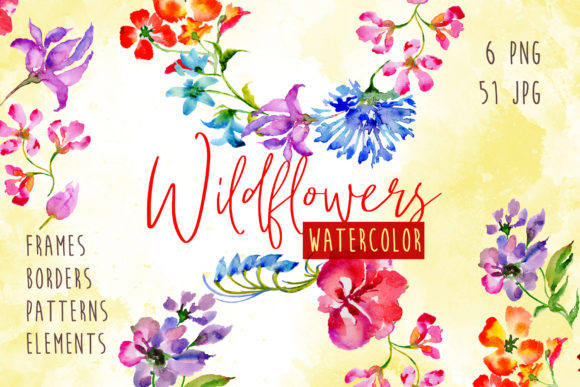
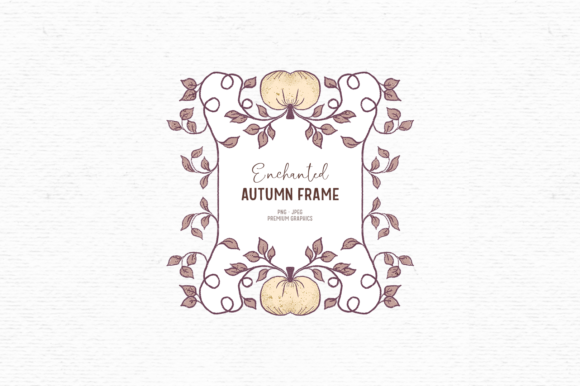
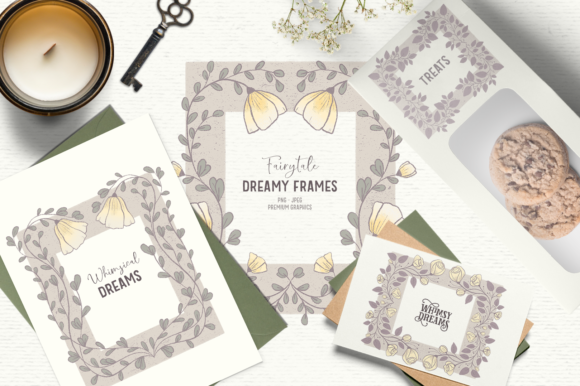
In the landscape of digital design and content creation, the distinction between generic stock assets and curated, hand-drawn elements often defines the perceived value of a final product. Vintage flower frame clipart serves as more than mere decoration; it functions as a strategic visual anchor that establishes tone, guides viewer attention, and reinforces brand identity. For professionals ranging from wedding stationers to digital marketers, integrating these assets requires a workflow that respects both technical specifications and aesthetic intention. The "Design Gunnel" collection, featuring five premium hand-drawn illustrations, exemplifies the type of high-resolution resource necessary for maintaining quality across print and digital mediums.
Understanding where this specific type of clipart fits into a broader creative process is essential for efficiency. Unlike vector-based geometric shapes that can be infinitely scaled without consequence, hand-drawn raster graphics possess a fixed resolution and organic texture. This characteristic demands intentional placement during the planning phase rather than as an afterthought. When utilized correctly, vintage floral frames provide a structured yet whimsical boundary for text and imagery, creating a cohesive container for messaging that feels personal and historically grounded.
Technical Specifications and Asset Management
Before incorporating vintage flower frame clipart into any project, establishing a robust asset management protocol is critical. The files in this collection are delivered at 300 DPI with dimensions ranging from 3376 to 4066 pixels (11.25–13.35 inches). These specifications place the assets firmly in the professional print category. While they are suitable for web use, their primary strength lies in high-fidelity output. Users must organize these files within their project directories using clear naming conventions that distinguish them from lower-resolution web assets to prevent accidental misuse in print production.
The dual delivery format of PNG and JPEG offers flexibility depending on the stage of production. The PNG files, which include transparent backgrounds, are indispensable for layering over colored papers, textured backgrounds, or existing photographs. This transparency allows the intricate, hand-drawn lines created in Procreate to interact naturally with underlying elements without the artificial white box associated with flattened images. Conversely, the JPEG versions serve as efficient reference files during the drafting and approval phases, allowing stakeholders to review compositions without taxing system resources or requiring specialized software to view transparency.
Color mode is another technical consideration for workflow integration. These files are rendered in RGB. While RGB is native to screen display, modern digital printing workflows often handle RGB-to-CMYK conversion effectively. However, for offset printing or strict color matching, designers should incorporate a soft-proofing step early in the process. Testing how the subtle watercolor washes and pencil textures translate to CMYK ensures that the "dreamy" vintage aesthetic remains intact after production. Because these are hand-drawn in Procreate and carefully edited, the color integrity is generally high, but verification prevents costly reprints.
Strategic Application Across Creative Phases
The utility of vintage flower frame clipart extends across pre-production, active design, and post-production refinement. In the pre-production or mood-boarding phase, these assets help define the visual language of a project before significant time is invested in layout. Placing a floral frame on a mood board communicates a commitment to romantic, bohemian, or nostalgic themes more effectively than descriptive text alone. This visual alignment helps secure client buy-in or clarify personal creative direction early, reducing revision cycles later.
During the active design phase, the clipart acts as a compositional guide. Rather than centering text arbitrarily, the organic curves of the hand-drawn flowers suggest natural margins and negative space. For invitation designers, the frame dictates the safe zone for typography, ensuring legibility while maximizing decorative impact. For social media creators, the 11+ inch size allows for cropping versatility; a single high-resolution file can yield multiple square, portrait, and story-sized variations without losing detail. This scalability supports batch-content creation workflows where consistency across platforms is paramount.
Post-production involves quality control and adaptation. After laying out the design, zooming in to 100% to inspect the edges of the PNG transparency is a necessary step. Hand-drawn assets sometimes retain faint artifacts from the digitization process. While the Design Gunnel collection is noted as being carefully edited, individual project backgrounds may reveal edge halos that require minor masking. Addressing these details ensures the final output looks bespoke rather than pasted. Furthermore, because no fonts or templates are included, this phase also involves selecting typography that complements rather than competes with the organic line work of the florals.
Compatibility with Digital Tools and Platforms
Seamless integration depends on understanding how these assets interact with industry-standard software. In Adobe Photoshop and Affinity Photo, the high pixel density allows for non-destructive editing. Smart Objects should be used when resizing to preserve the original pixel data, enabling future adjustments without degradation. For users working in Canva or similar browser-based platforms, uploading the PNG version is recommended to maintain transparency. However, users should be aware of platform-specific compression; keeping a master file locally ensures that the downloaded version from the platform does not become the de facto source for future high-quality prints.
For Procreate users, the origin of these assets creates a unique synergy. Since the clipart was originally drawn in Procreate, importing it back into the app maintains stylistic consistency if additional custom elements are needed. A designer might import the vintage flower frame and add hand-lettered names or custom dates using the same brush sets, resulting in a unified piece where the distinction between stock asset and custom work is invisible. This interoperability is a significant advantage for illustrators who want to accelerate their workflow without sacrificing the authenticity of a fully hand-rendered piece.
When preparing files for professional printers or print-on-demand services, adherence to bleed and margin requirements is non-negotiable. Although the clipart is large, designers must account for trimming. Positioning the most detailed parts of the flower frame at least 0.125 inches away from the trim line prevents crucial details from being lost during cutting. This spatial planning is particularly important for frames intended to border physical products like greeting cards or art prints, where the tactile experience relies on precise alignment.
Enhancing Brand Consistency and Visual Storytelling
Beyond technical execution, vintage flower frame clipart plays a pivotal role in long-term brand strategy. For entrepreneurs and small business owners, recurring visual motifs build recognition. Using the same set of hand-drawn florals across packaging, website headers, and marketing collateral creates a thread of continuity that feels luxurious and intentional. The "whimsical" and "romantic" attributes mentioned in the asset description are not just aesthetic choices; they are brand values communicated visually. Consistency in applying these assets signals professionalism and attention to detail to the audience.
Educators and content creators can leverage these frames to segment information visually. In a workbook or digital course, a specific floral frame can denote a new chapter, a reflection exercise, or a premium section. This visual coding reduces cognitive load for the user, making complex information more digestible. The hand-drawn nature of the graphics adds a human touch to educational materials, which can increase engagement and retention compared to sterile, corporate layouts. The key is restraint; using the clipart as a functional design element rather than background noise preserves its impact.
It is also vital to manage expectations regarding what is included. The listing specifies that mockups, design templates, and fonts are excluded. This transparency is beneficial for workflow planning as it clarifies that the purchase is strictly for the raw artistic asset. Professionals should factor in the time required to source complementary typography and create their own layout structures. Viewing the clipart as a foundational ingredient rather than a complete meal encourages more creative ownership and results in designs that are uniquely tailored to the specific project goals rather than replicating a preview image.
Optimizing for Long-Term Use and Efficiency
To maximize the return on investment for premium clipart, creators should develop a library of pre-configured presets or actions. For example, creating a Photoshop action that automatically applies a preferred color grade or texture overlay to the vintage flower frames can standardize the look across dozens of projects. Similarly, saving frequently used crop ratios as export presets streamlines the delivery process for social media managers. These micro-optimizations accumulate over time, transforming a static asset purchase into a dynamic component of a scalable production system.
Finally, respecting the licensing and usage rights associated with hand-drawn art is part of a sustainable professional practice. Understanding whether the license permits commercial use, modification, or resale of derivative works protects both the creator and the artist. Maintaining records of purchase and license terms within the asset folder ensures compliance during audits or client transfers. Ethical usage supports the ecosystem of independent artists, ensuring that high-quality, hand-drawn resources like the Design Gunnel collection remain available for future projects.
Integrating vintage flower frame clipart is a balance of artistic appreciation and technical discipline. By treating these hand-drawn assets with the same rigor as photography or typography, professionals can elevate their work from simple composition to immersive storytelling. The result is a body of work that feels enchanting and spellbinding, not by accident, but through deliberate, informed execution.