Hand with Flowers Vector Illustration: A Practical Guide to Selecting and Using Floral Assets
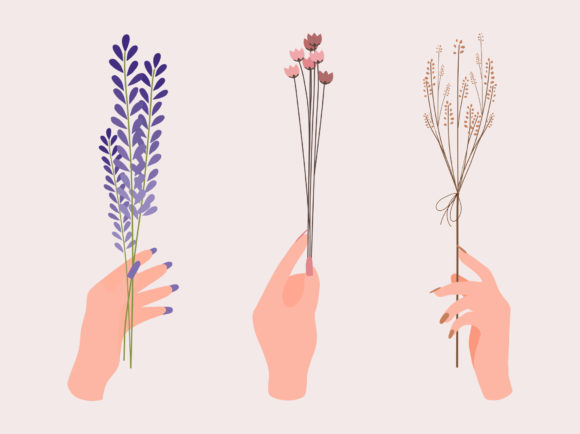
A hand holding flowers is one of the most universally recognized symbols in visual communication, conveying themes of gratitude, celebration, nature, and human connection. For designers, marketers, and content creators, finding the perfect Hand with Flowers Vector Illustration can elevate a project from generic to emotionally resonant. However, the abundance of available assets often leads to hasty decisions that compromise the final design. Understanding the technical and aesthetic nuances of these vector bundles is essential for professionals and hobbyists alike who want to avoid common pitfalls associated with digital floral art.
When you download a ZIP file containing EPS and JPG formats, you are acquiring more than just a pretty picture; you are obtaining a flexible design tool. Vectors allow for infinite scaling without pixelation, making them ideal for everything from business cards to billboards. Yet, many users treat these files as static images, missing out on their true potential or, worse, selecting assets that create technical headaches down the line. By approaching your selection process with a critical eye, you can ensure that the bundle you choose serves your specific creative needs rather than forcing you to adapt your vision to a flawed asset.
Overlooking File Format Versatility and Compatibility
One of the most frequent mistakes occurs when users focus solely on the JPG preview and ignore the EPS source file. While the JPG is useful for quick mockups or web-only projects, it lacks the editable paths that define vector art. Relying exclusively on rasterized versions limits your ability to change colors, adjust line weights, or isolate specific elements like individual petals or fingers.
Conversely, some beginners attempt to open EPS files in software that does not fully support vector editing, leading to confusion when layers appear flattened or effects are missing. Before purchasing or downloading a Hand with flowers vector illustration, verify that your design software is compatible with the specific EPS version provided. Older versions of Illustrator or free alternatives like Inkscape may struggle with newer gradient meshes or transparency effects embedded in modern vector files. Always test the EPS file immediately after extraction to confirm that all anchor points are accessible and that the artwork is truly vector-based rather than a raster image embedded within an EPS container.
Neglecting Anatomical Accuracy and Stylistic Consistency
Floral vectors are often chosen for their beauty, but the hand holding them requires anatomical correctness to avoid the "uncanny valley" effect. A common oversight is selecting an illustration where the grip looks unnatural or the finger proportions are distorted. Even in stylized or minimalist art, the relationship between the hand and the stem must follow basic physical logic. If the thumb overlaps the stem incorrectly or the wrist angle suggests discomfort, viewers will subconsciously register the image as low-quality, regardless of how beautiful the flowers are.
Furthermore, inconsistency in line weight and shading style can ruin a cohesive brand identity. A bundle might contain twenty different hands, but if three of them use heavy outlines while the rest rely on soft gradients, they cannot be used together in a single campaign. When evaluating a decorative design elements bundle, scrutinize the entire set for uniformity. Ensure that the artistic voice matches your existing branding. If your website uses flat, geometric design, a hyper-realistic botanical hand will feel disjointed. Prioritize collections that offer variations within a single, consistent aesthetic framework.
Misunderstanding Isolation and Background Transparency
The phrase "isolated on white background" is standard industry terminology, but it can be misleading for inexperienced users. Many assume this means the file has a transparent background ready for drag-and-drop placement. In reality, many EPS files include a solid white rectangle behind the artwork to ensure visibility in preview software. Failing to remove this white box before placing the illustration over a colored or textured background results in an unsightly square border that screams "stock photo."
To avoid this, always check the layer structure upon opening the file. Professional-grade vectors should have the background element on a separate, unlocked layer or clearly labeled as non-essential. If the white background is merged with the artwork, you may need to use clipping masks or manual tracing to extract the hand and flowers cleanly. This extra step consumes valuable time and can degrade edge quality if not done precisely. When comparing options, prioritize assets that explicitly state they have transparent backgrounds or provide separate layers for easy isolation. This small detail significantly impacts workflow efficiency and the professional polish of your final output.
Evaluating Color Customization Potential
Flowers come in countless varieties, and a generic red rose may not align with your specific seasonal campaign or brand palette. A significant error is assuming that all vector illustrations are easily recolorable. Some artists use complex gradients, raster textures, or global swatches that make changing a flower from pink to purple a tedious, multi-step process. Others may have grouped elements so tightly that selecting individual petals becomes frustrating.
Before committing to a Hand with Flowers Vector Illustration, examine the color construction. Look for files that utilize global colors or well-organized layer groups named by element (e.g., "Petals," "Stem," "Skin"). This organization indicates that the artist intended for the file to be modified. Testing the recoloring process on a sample file can save hours of frustration later. If your project requires specific floral species or exact Pantone matches, ensure the vector geometry is simple enough to accommodate those changes without breaking the visual integrity of the illustration.
Licensing Clarity and Commercial Usage Rights
Technical quality means nothing if you lack the legal right to use the asset in your intended context. Many creators overlook the distinction between personal and commercial licenses, especially when downloading free or low-cost bundles. Using a "personal use only" illustration in a client’s logo, product packaging, or paid advertisement exposes you to legal risk and potential rebranding costs.
Always read the license agreement included in the ZIP file or listed on the download page. Pay attention to restrictions regarding print runs, digital impressions, and modification rights. Some licenses prohibit using the vector as a standalone element on merchandise, requiring it to be part of a larger composite design. Others may restrict usage in sensitive categories like healthcare or political messaging. Clarifying these terms upfront prevents costly corrections and ensures your project remains compliant. Remember that "royalty-free" does not mean "restriction-free"; it simply means you pay once rather than per use.
Practical Checklist for Selection and Implementation
To streamline your decision-making process and maximize the value of your floral vector assets, consider this practical evaluation framework before adding any bundle to your library:
- Verify True Vector Status: Zoom in to 800% to confirm crisp edges and check that paths are editable, not embedded rasters.
- Assess Anatomical Logic: Ensure the hand grip and finger placement look natural and physically plausible for the type of bouquet depicted.
- Check Layer Organization: Open the EPS to confirm that elements are grouped logically and backgrounds are easily removable.
- Test Recoloring Ease: Attempt to change the primary flower color to see if global swatches or complex gradients hinder the process.
- Confirm License Scope: Match the license terms specifically to your project’s distribution method and commercial intent.
- Evaluate Style Cohesion: Compare the illustration against your existing brand guidelines to ensure visual harmony.
By applying these corrective measures and thoughtful evaluations, you transform a simple download into a reliable design asset. The goal is not merely to find a Hand with flowers vector illustration that looks appealing in a thumbnail, but to secure a versatile, legally sound, and technically robust resource that enhances your creative workflow. Taking the time to vet these details upfront distinguishes professional results from amateur attempts and ensures your floral designs communicate exactly what you intend.