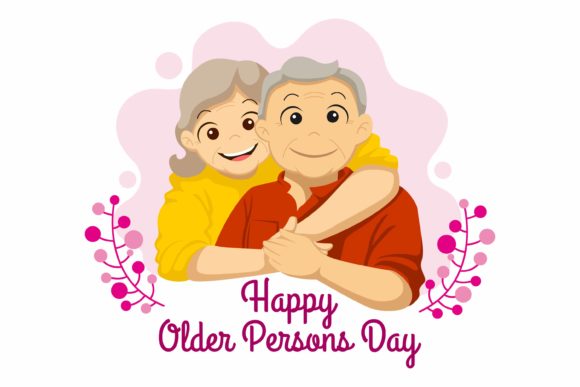
Happy Older Persons Day Illustration: Visualizing Connection and Respect
A Happy Older Persons Day Illustration featuring a tender moment between grandparents serves as more than just seasonal decoration; it acts as a visual anchor for conversations about aging, respect, and intergenerational love. When you see an image where Grandma smiles while hugging Grandpa, his hand grasping hers tenderly amidst pink floral ornaments, you are looking at a specific design choice intended to evoke warmth and dignity. This type of artwork moves beyond generic clip art to capture the genuine emotional bond of long-term partnership. For organizations, families, and content creators, selecting this specific style of illustration signals a commitment to portraying older adults with agency, affection, and joy rather than frailty or isolation.
Elevating Community Event Marketing
Local councils, senior centers, and non-profit organizations often struggle to create promotional materials for the International Day of the Older Persons that feel celebratory rather than clinical. A common pitfall is using imagery that focuses solely on healthcare or assistance, which can inadvertently reinforce ageist stereotypes. Utilizing a Happy Older Persons Day Illustration that depicts a happy husband and wife couple shifts the narrative entirely.
When designing flyers, social media posts, or email newsletters for community celebrations, this imagery performs several practical functions:
- Emotional Resonance: The pink floral ornaments and tender embrace soften the institutional feel of government or organizational communications, making the event feel like a true celebration.
- Relatability: Adult children and grandchildren planning to attend are more likely to engage with marketing that reflects the loving relationships they value in their own families.
- Brand Alignment: It visually communicates that your organization values the happiness and relationships of seniors, not just their care needs.
For event coordinators, placing this illustration alongside logistical details (date, time, venue) helps balance the practical information with the spirit of the occasion. It transforms a standard announcement into an invitation to honor connection.
Corporate Communications and CSR Initiatives
Businesses participating in the International Day of the Older Persons as part of their Corporate Social Responsibility (CSR) or internal diversity initiatives face a unique challenge. The tone must be professional yet human. An illustration showing grandparents sharing a tender moment offers a safe, universally positive visual metaphor for longevity, loyalty, and enduring value—traits that translate well into corporate messaging.
HR departments might use this Happy Older Persons Day Illustration in internal newsletters to recognize employees who are caregivers for aging parents or to celebrate retired staff members returning for visits. In external marketing, financial services, insurance providers, and healthcare systems can use this imagery to signal empathy. Instead of stock photos of doctors pointing at charts, the illustration of a couple holding hands suggests a holistic understanding of what matters most to older clients: their relationships and quality of life. The inclusion of the text "Happy Older Persons Day" within the artwork itself also saves design time, providing a ready-made headline that ensures accessibility and clarity across digital platforms.
Personal Tributes and Intergenerational Projects
Beyond institutional use, this type of illustration has profound utility for individuals and families. Adult children aged 30–50 often seek meaningful ways to acknowledge their parents or grandparents on this day but may lack the artistic skills to create something from scratch. Digital cards, printed photo books, or custom-framed prints utilizing this artwork provide a tangible expression of love.
Consider the scenario of a family living far from their elderly relatives. Sending a physical card featuring this specific illustration—a happy husband and wife couple surrounded by flowers—can bridge the distance more effectively than a text message. The visual representation of tenderness mirrors the sender’s feelings when words fall short. Furthermore, teachers and youth group leaders can use this illustration as a prompt for intergenerational projects. Showing the image to children and asking them to describe what they see encourages discussions about marriage, aging, and kindness, turning a static image into an active educational tool.
Design Considerations and Cultural Sensitivity
While a Happy Older Persons Day Illustration with pink floral elements is widely appealing, practical application requires thoughtful consideration of context and audience. Not every depiction of older adults fits every situation, and being mindful of these nuances ensures your message lands correctly.
Representation and Inclusivity
The specific illustration described features a heterosexual couple. While this represents many families, it does not represent all. If your organization serves a diverse population including LGBTQ+ seniors or single older adults, consider how this image fits into a broader visual strategy. You might pair this illustration with others that depict different types of relationships and family structures to ensure no one feels excluded from the celebration. Authenticity matters; if your community is diverse, your visual assets should reflect that reality over time.
Aesthetic Tone Matching
The pink floral ornaments suggest a gentle, perhaps traditionally feminine or romantic aesthetic. This works beautifully for events focused on social connection, tea parties, or cultural celebrations. However, it might feel mismatched for a seminar on retirement finance or legal rights. Always evaluate whether the decorative elements align with the seriousness or playfulness of your specific content. The strength of this illustration lies in its warmth; its limitation is that it may not convey authority or urgency if those are the required tones.
Text Legibility and Accessibility
Since the illustration includes the text "Happy Older Persons Day," verify that it meets accessibility standards before publishing. Ensure there is sufficient contrast between the text and the background florals. If you are overlaying additional information on top of the image, make sure the existing text doesn't create visual clutter. Sometimes, the most practical solution is to use the illustration as a header or sidebar element rather than a background, preserving the integrity of the original artwork while maintaining readability for users with visual impairments.
Maximizing Impact Across Platforms
To get the most value from this asset, adapt its usage to the platform's strengths. On Instagram or Facebook, the illustration works best as a standalone post with a caption inviting followers to share stories about their own grandparents. The visual stops the scroll, and the emotional hook drives engagement. In email marketing, use it as a header image to set the tone before diving into event details or donation requests. The familiarity of the grandparent figures creates an immediate sense of trust before the reader processes any text.
For print materials like posters or banners, ensure the resolution is high enough to maintain the delicate details of the floral ornaments and facial expressions. Pixelation can undermine the tenderness the image seeks to convey. If you are using this for a website, always include descriptive alt text such as "Illustration of a smiling grandmother hugging grandfather with pink flowers for Happy Older Persons Day." This not only aids screen readers but also reinforces SEO relevance for users searching for respectful, celebratory aging content.
Ultimately, choosing a Happy Older Persons Day Illustration that highlights mutual affection and dignity is a strategic decision. It rejects deficit-based narratives about aging in favor of one centered on love and continuity. Whether used by a multinational corporation, a local library, or a grandchild making a card, this imagery provides a shared visual language for honoring the contributions and humanity of older persons. By focusing on the universal themes of connection and tenderness, we create spaces—both digital and physical—where older adults are seen, celebrated, and valued exactly as they are.